How to Read Your Child's First Progress Report Like an Advocate
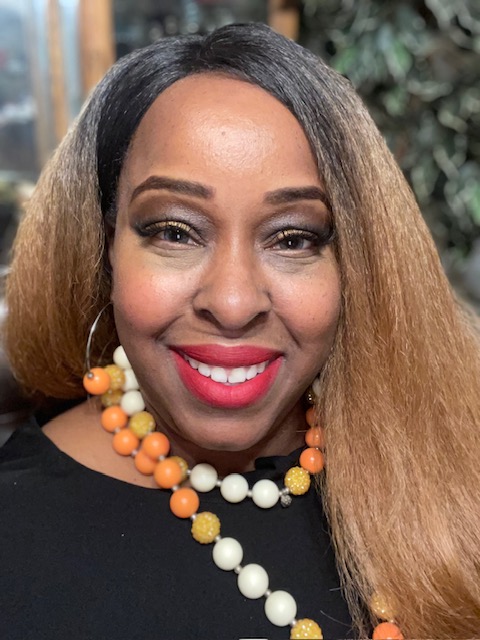
Tabaitha McKeever
Special Education Teacher & Advocate | Special Clarity
October 9, 2026
She got the progress report and felt a wave of relief.
All the boxes said "making progress toward goal" or "goal met." She put it in the folder with the IEP and didn't think about it again until the spring annual review, when the team told her that her son was significantly behind on three of his six annual goals and would need to continue them next year.
She went back to that October progress report. "Making progress toward goal."
It hadn't meant what she thought it meant.
Progress reports are one of the places where "fine" most often hides a real problem. The language is deliberately vague, and most parents read it as reassurance when it's actually not telling them much at all. The first progress report of the year is the first checkpoint — and if you read it right, it can tell you whether your child is on track or whether you need to call a meeting before January. — Tabaitha McKeever, Special Education Teacher
Why "Making Progress" Isn't Enough
IEP progress reports are supposed to tell you whether your child is on track to meet their annual goals by the end of the year. What they often deliver instead is a general feeling without specific data.
IDEA requires that the IEP include a description of how the child's progress toward annual goals will be measured and how parents will be periodically informed of that progress. What that means in practice varies enormously — from detailed performance data to a single checkbox with "on track" or "not on track."
The problem is that a checkmark next to "making progress" in October doesn't tell you:
- Where the child started
- Where they are now
- Whether the pace of progress is enough to meet the goal by June
A child who has made 5% of the expected growth by the first progress report and a child who has made 30% of the expected growth might both have a checkmark next to "making progress." Those two children are in very different situations.
What to Look for in the Progress Report
1. Numbers, not labels.
The most useful progress report data includes actual measurement. If the annual goal says "Student will read 90 words per minute with 90% accuracy," the progress report should tell you approximately where the child is now — 72 words per minute? 60? That's usable data.
If the progress report says only "working on fluency" or "making steady progress," you don't have data — you have a reassurance. It's not the same thing.
2. Alignment with the actual goal.
Look at the progress note and then look at the IEP goal. Do they match? If the goal says "Student will produce 3-4 word requests using his AAC device with 80% accuracy" and the progress note says "working on communication skills in the classroom," the note isn't tracking the goal. That's a problem.
3. Whether the child is on pace.
You don't need a formula for this. Rough math is enough. If the school year runs from August to May — approximately 10 months — and your child is 2 months in, they should be approximately 20% of the way toward meeting the annual goal. If the goal is to read 90 words per minute and they started at 40, they need to gain about 50 words over the year. At 2 months in, they should be at roughly 50 words per minute to be on pace.
If the goal is behavioral or skill-based rather than numerical, ask: "Is the team seeing the same level of mastery at this point in the year that they'd expect to see in order to meet the annual goal?"
4. Any language about insufficient progress.
IDEA specifically requires schools to notify parents "whenever a child is not making sufficient progress to achieve the annual goals for the reporting period." If a progress report includes language like "insufficient progress" or "not meeting benchmarks" or "goal may need to be revised" — that is a legal trigger. The school isn't just noting an observation; they're reporting a compliance condition that requires a response. If you see that language and haven't heard from the school about a meeting, initiate one.
5. Consistency between services and progress.
If speech services are in the IEP and the speech progress notes are blank or say only "continued to work on goals" — ask why. Progress reports should reflect actual service delivery and actual data from those services. A vague or missing progress note is worth a direct question to the provider: "What data are you using to track progress on this goal, and what does it show?"
What to Do With What You Find
If progress is genuinely on track: Document it. Write a note to yourself or add it to a running advocacy log with the date. "As of [date], progress notes show [specific data]. On track to meet [goal] by annual review." Wins are worth tracking because the picture can change quickly.
If the report is vague and doesn't include data: Send a written question to the case manager before the next IEP meeting: "The progress notes for [goal] don't include specific performance data. Can you tell me the current measurement for that goal and how it compares to the expected pace?" Put it in email so there's a record.
If progress is behind pace: Request a meeting. IDEA requires the school to notify you when a child isn't making sufficient progress, but parents don't have to wait to be told. If you can see from the numbers that the child is behind, write a brief email requesting an IEP review meeting: "Based on the October progress report, I'd like to schedule a meeting to discuss my child's progress toward [specific goal] and whether the current services and supports are sufficient."
If a goal wasn't met last year and the new progress report already looks similar: This is urgent. Bring the previous year's progress notes to the next meeting and ask the team to explain concretely what is different about this year's IEP — different services, different frequency, different intervention — that is "reasonably calculated" to produce a different result. A team that can't answer that question is recycling a failed plan.
A Note on the Positive
Progress reports that show real forward movement are worth holding onto.
If your child's data shows meaningful progress — measurable, documented, moving toward the goal at a realistic pace — that's evidence that the current plan is working. You can and should name that at the next IEP meeting. "The October progress report showed [specific data]. I appreciate that the team's approach is producing visible results." Specificity on the positive is as useful as specificity on the problem. It builds goodwill, it tells the team what's working, and it creates a baseline you can point to if things start to slip.
FAQ: Reading IEP Progress Reports
How often should I receive IEP progress reports? IDEA requires that parents be informed of their child's progress toward annual goals at least as often as non-disabled students receive report cards — typically quarterly. Some IEPs include more frequent progress monitoring, particularly for students with intensive needs. Check your child's IEP for the specified reporting frequency.
What if the progress report doesn't include any numerical data — just checkboxes? Request the underlying data. The checkbox is a summary; the actual measurement is what you need. Email the case manager and ask: "For [specific goal], what data is being used to determine progress, and what does that data show as of this reporting period?" You have a right to the records behind the report.
The progress report says "insufficient progress" but nobody called me. What do I do? Request an IEP meeting in writing immediately. IDEA's notice requirement means the school should have contacted you when they determined progress was insufficient. A notice in the progress report is better than nothing, but it's not sufficient — the team needs to meet, identify why progress is insufficient, and modify the IEP to address it. Don't wait for the school to schedule the meeting.
Can I get progress data between progress reports? Yes. You can request a meeting or ask for interim data at any time. If you're concerned mid-quarter, email the case manager and ask for a brief update on how your child is performing on a specific goal. There's no requirement to wait for the formal report.
What if last year's goals weren't met and this year's IEP has the same goals? Ask the IEP team to explain specifically what is different about this year's approach. Under Endrew F., the IEP must be "reasonably calculated to enable progress appropriate in light of the child's circumstances." Recycling a goal that wasn't met without changing the services or approach is hard to defend as "reasonably calculated" to produce a different result. Request the discussion be documented in the meeting notes.
This post is for general educational purposes.
If your child's progress reports have said "making progress" for years and the annual review keeps showing goals not met — that pattern deserves a closer look. The IEP & ARD Paperwork Review Service will analyze the current IEP for goal quality, progress monitoring standards, and whether the plan meets the Endrew F. requirement to be reasonably calculated to enable appropriate progress.
For more on IEP goals and progress tracking, read How to Tell if Your Child's IEP Goals Are Actually Measurable or visit the IEP Process hub.
Explore by Topic
Need tools to go with this?
Browse our ready-to-use templates and guides — built for parents like you.
Browse ProductsLeave a Comment
Share your thoughts
Want a deeper conversation? Join the Special Clarity Parent Community on Facebook →
You Might Also Like
Advocacy Tips
The Reading Breakthrough: What Happens When Structured Literacy Finally Clicks
Read article →
Advocacy Tips
The Day Your Child Stopped Fighting Going to School — What It Means and How to Protect It
Read article →
Advocacy Tips
The Accommodation That Changed Everything — And How to Make Sure It Stays
Read article →
Join the Conversation
Connect with other special needs parents in our Facebook community.
Join the Facebook Group →More free articles at our sister blog: McKeever Learning Center, LLC